Ice damming in the GTA: post-winter roof inspection checklist
Written by Marc D., GCT Expert Analyst · Updated April 2026 · 3 min read
Ice damming is the #1 GTA roof failure mode. Here is the post-winter inspection checklist and the long-term fixes that actually work.
Direct answer
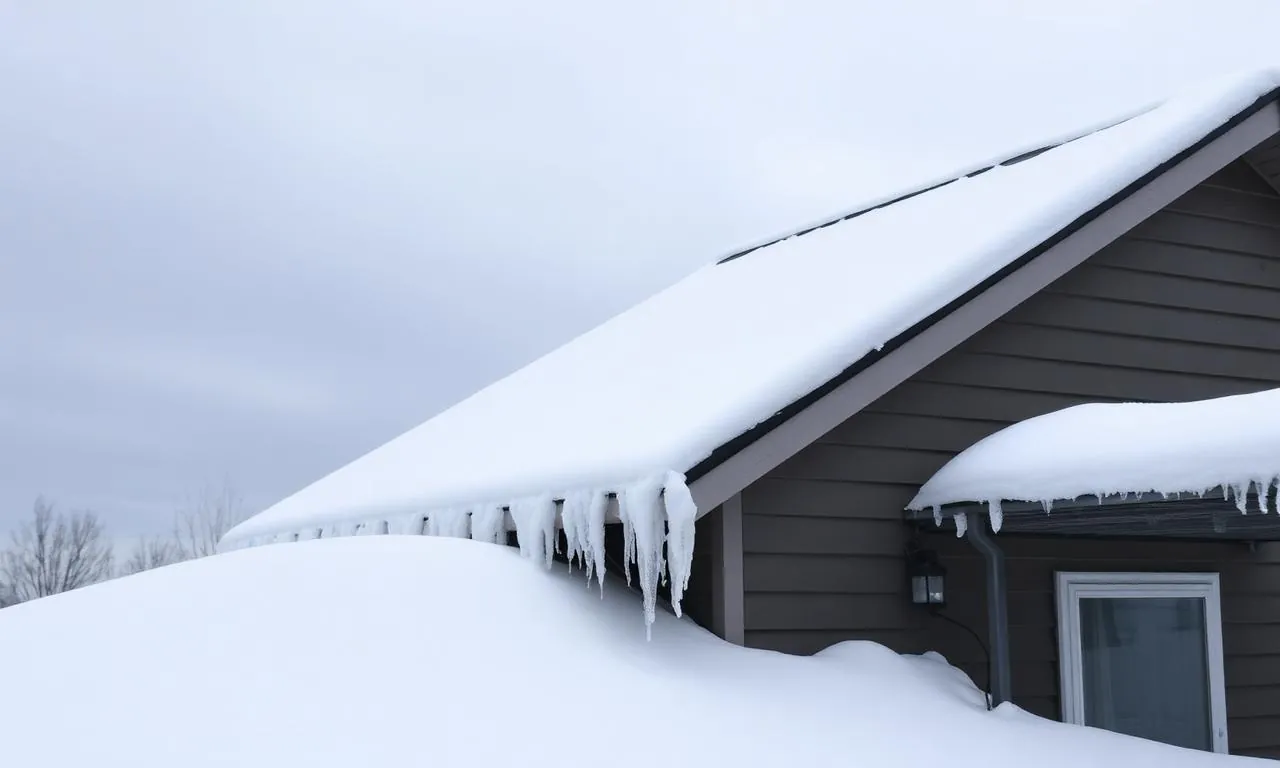
Ice damming is the single most common roof-failure mode in Toronto and the GTA. It is not a roof problem — it is an attic-heat-loss problem that manifests at the roof. The lasting fix is air sealing + insulation + balanced ventilation, not heat cables. After every GTA winter, run the 14-point checklist below before the spring rains arrive.
What an ice dam actually is
Warm air from the heated living space escapes into the attic, warms the underside of the roof deck, melts the snow above. Water flows down the slope until it hits the cold overhang (which sits over unheated soffit space), refreezes, and forms a dam. Water then pools behind the dam — and seeps under the shingles into the deck, insulation and ceiling drywall.
Why the GTA is high-risk
- Long sub-zero stretches alternating with thaws
- Older homes (pre-1990) with under-insulated attics and recessed lights
- Common cathedral-ceiling additions with restricted air flow
- 1.5-storey "war-time" homes with knee walls
- Heating ducts and bath fans vented into the attic
- Mid-March freeze-thaw cycles that maximize dam growth
14-point post-winter inspection checklist
Exterior — from the ground with binoculars
- Icicles forming above the soffit line (not at gutters only)
- Missing or lifted shingles along the eaves and valleys
- Granule loss visible in downspout splash zones
- Stained or sagging soffit panels
- Visible water tracks on the brick or siding near the eaves
Attic inspection (most important)
- Daylight visible at soffit baffles → blocked intake
- Frost or moisture on the underside of the sheathing
- Compressed or wet insulation along the eaves
- Bath / kitchen fan ducts venting into the attic instead of outside
- Recessed lights protruding into the attic without IC-rated covers
- Top-plate air leaks at exterior walls (use an incense stick or smoke pen on a windy day)
Interior
- Ceiling stains, especially within 3 ft of exterior walls
- Paint blistering or drywall sagging near recessed lights
- Musty smell in closets on exterior walls
What works — and what doesn't
| Fix | Effectiveness | Cost (GTA, 2026) |
|---|---|---|
| Air-seal attic top plates, recessed lights, plumbing chases | Highest | $800 – $2,500 |
| Top up attic insulation to R-60 | High | $2,000 – $5,500 |
| Install soffit baffles + ridge vent (balanced ventilation) | High | $1,200 – $3,800 |
| Add ice & water shield 6 ft from eaves (next re-roof) | High | included |
| Heat cables along eaves | Low (band-aid) | $600 – $1,800 |
| Roof rake the bottom 4 ft after each storm | Medium | $40 (tool) |
| Steam-removal service after dam forms | Emergency only | $300 – $900 per visit |
Heat cables and roof raking treat symptoms; air-sealing + insulation + ventilation treats the cause.
When to call a professional
- You see 3 or more checklist items
- You've had a ceiling stain — even once — in the last two winters
- Your home is over 20 years old and has never had attic work
- You're planning a re-roof: do attic work first or in the same scope
FAQ — GTA ice damming
Will a new roof solve my ice damming?
Only if the attic is fixed at the same time. A new roof installed over a heat-leaking attic will dam again.
Does insurance cover ice-dam water damage in Ontario?
Most policies cover sudden water damage from an ice dam, but exclude foreseeable wear or recurring damage from a known unresolved issue. Document the first occurrence and fix the cause.
How fast does damage occur once water gets behind the dam?
Mold and drywall staining can appear within 72 hours. Wet insulation loses 40 to 60% of R-value almost immediately.
Received a roofing quote?
Have your quote reviewed before signing. GCT Expert helps Québec homeowners better understand prices, contracts and risks tied to roofing work.
Review my quote