The most common roofing scams in Québec
Written by Marc D., GCT Expert Analyst · Updated January 2026 · 3 min read
Each year, hundreds of Québec homeowners lose an average of $4,800 in a roofing-related scam. Here are the patterns to know.
The face of roofing scams in 2026
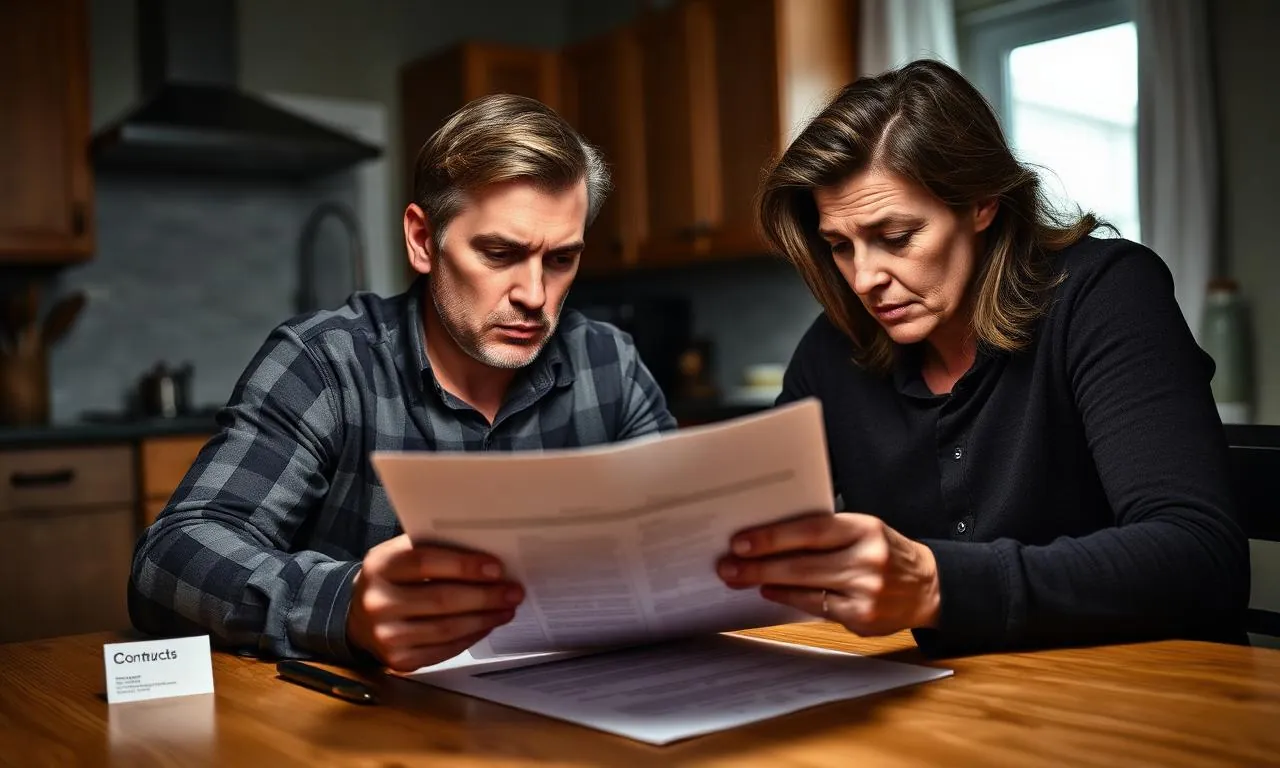
The Office de la protection du consommateur (OPC) receives more than 1,100 roofing-related complaints each year in Québec. The average loss exceeds $4,800 per file, and nearly 30% of victims never recover a cent.
Here are the seven scams our team encounters most often.
1. The "storm" door-to-door
After a gust or hail shower, crews appear in the neighbourhood claiming to have "spotted damage from the street". They offer a free inspection, climb the roof, and come down with photos of damage… they just caused themselves.
How to protect yourself: never let a stranger climb your roof. Ask for the RBQ licence before any discussion. Real roofers almost never do door-to-door in Québec.
2. The disappearing deposit
The contractor demands a deposit of 30, 40, even 50% on signing. He supposedly orders materials, then vanishes. The money is gone.
Rule of thumb: a legitimate deposit never exceeds 10% of the contract or $1,000, whichever is lower. This is the OPC-recommended limit for home contracts.
3. The fake emergency
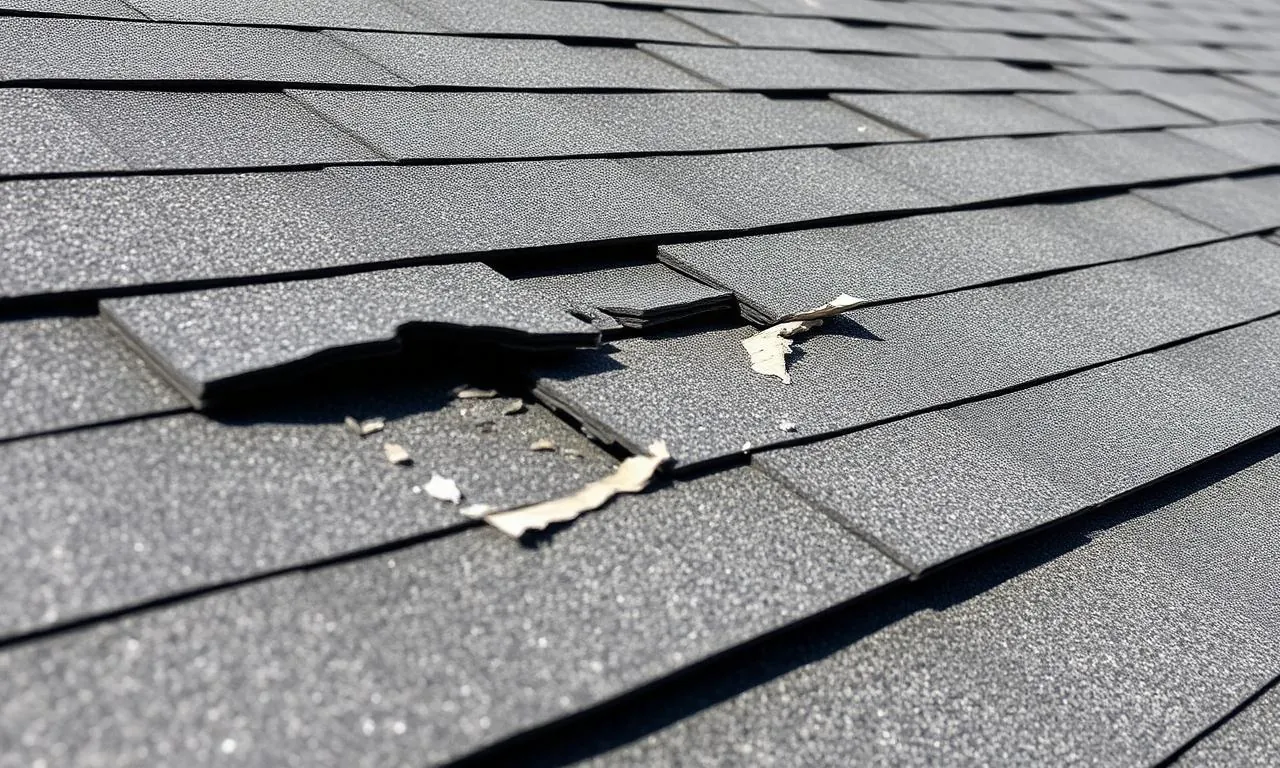
"Ma'am, your roof may collapse in the next 48 hours. If we don't intervene now, it's a cave-in." This pressure is almost always bluff. No shingle roof collapses overnight.
Reflex to develop: take 72 hours to get an independent second opinion, ideally from an AIBQ-certified building inspector or a neutral advisor.
4. The verbal contract or "handshake deal"
In Québec, any renovation contract over $25 must be in writing when concluded at home. The lack of a written contract removes the consumer's 10-day cancellation right and most legal remedies.
5. Undeclared subcontracting
You sign with company A. On work day, it's crew B (often less experienced, sometimes unlicensed) that shows up. If a problem arises, A denies responsibility and B claims to be only a subcontractor.
Protect yourself: require in writing that the work be performed directly by the signing company, or that any subcontractor be named and licensed.
6. Insurance fraud
After a loss, a contractor offers to "inflate" the claim with your insurer in exchange for a reduced deductible. This is criminal fraud for which you are criminally liable, even if the idea comes from the contractor.
7. Cash-only payment
"We'll knock off $1,500 if you pay cash, no invoice." That discount actually costs you:
- No written trace of payment
- No recourse in case of defective work
- No applicable warranty
- Possible tax-evasion complicity
Quick-reference table — red flags
| Behaviour | Risk level |
|---|---|
| Unsolicited door-to-door | High |
| Deposit > 10% | High |
| Refusal to provide RBQ in writing | High |
| Pressure to sign the same day | Medium-high |
| No detailed written contract | High |
| Cash payment demanded | High |
| Out-of-Québec business address | Medium |
Your remedies if scammed
- Office de la protection du consommateur: file a formal complaint.
- Régie du bâtiment du Québec: report the contractor.
- Licence bond: claim up to $40,000 via the RBQ.
- Small claims court: for amounts under $15,000.
- Police: if outright fraud.
FAQ — Roofing scams
I signed under pressure. Can I cancel?
Yes. For any contract concluded at home in Québec, you have a 10-day cancellation period from the date of signing. Send the cancellation in writing.
How long to recover a fraudulent deposit?
Expect 8 to 14 months on average via the RBQ bond. Hence the importance of never paying more than 10%.
How to recognize a fake RBQ number?
The number must have exactly 10 digits and be verifiable on the official registry. If the business does not appear or its status is "suspended", it's invalid.
Received a roofing quote?
Have your quote reviewed before signing. GCT Expert helps Québec homeowners better understand prices, contracts and risks tied to roofing work.
Review my quote